How Small Truck Upgrades Can Prevent Expensive Repairs – Autos Community
Small truck upgrades can limit daily wear, prevent avoidable damage, reduce costly repairs, and help hardworking vehicles remain dependable for years to come.
Work trucks rarely have easy lives. Whether they are used by contractors, landscapers, maintenance crews, delivery teams, or other professionals, these vehicles routinely carry heavy loads, travel over rough surfaces, and spend long hours exposed to weather and job-site debris. All that use eventually takes a toll, but major repair bills are not always inevitable.
In many cases, relatively modest upgrades can protect vulnerable parts of a truck before damage occurs. The goal is not to load a vehicle with unnecessary accessories. It is to identify the areas that experience the greatest amount of wear and give them additional protection. Understanding how small truck upgrades can prevent expensive repairs can help owners get more productive years out of their vehicles while reducing avoidable downtime.
Protect the Truck Bed Before Damage Accumulates
The bed is one of the hardest-working areas of a pickup. Tools, equipment, lumber, landscaping materials, scrap, and other cargo can scrape or dent an unprotected surface. Even relatively light items can cause damage when they shift repeatedly during transportation.
Scratches are more than cosmetic problems. Once protective finishes are compromised, bare metal may become vulnerable to moisture and corrosion. Rust that begins as a small blemish can spread beneath paint and eventually require more extensive body repairs.
Adding protection before significant damage develops can help preserve the bed. Different materials make sense for different working conditions, which makes choosing a bed liner for heavy-duty work trucks an important consideration when a truck regularly carries abrasive, bulky, or heavy cargo. The right approach can reduce direct contact between the load and the original bed surface.
Use Mud Flaps to Control Road Debris
Tires constantly throw water, gravel, mud, salt, and other debris toward a vehicle’s body. Work trucks can be particularly vulnerable because they may travel through construction zones, unpaved areas, farms, and other environments where loose material is common.
Mud flaps are a straightforward upgrade that can limit how much debris reaches the lower body panels and undercarriage. Reducing this exposure can mean fewer paint chips and less accumulation of corrosive material.
They can be especially useful in areas where road salt is applied during winter. Salt and moisture create harsh conditions for exposed metal, so anything that reduces repeated contact can contribute to better long-term protection.
Add Running Boards or Steps With Function in Mind
Running boards are often treated as a convenience feature, but they can also help protect portions of a truck’s lower body. Depending on their design, boards and side steps can provide an additional barrier against debris kicked up by the tires or encountered on rough job sites.
They also make it easier to enter and exit taller trucks. For workers who may climb in and out dozens of times during a shift, easier access can reduce unnecessary pulling on interior handles, seats, and trim.
Choosing sturdy components is important. An upgrade intended for a working vehicle should be able to tolerate regular exposure to dirt, moisture, impacts, and weight without quickly becoming another maintenance problem.
Improve Cargo Management
Unsecured cargo can damage more than whatever is being transported. Tools and materials that slide around the bed can dent panels, scrape finishes, strike the tailgate, and damage other equipment.
Tie-down points, cargo bars, dividers, racks, and secure storage systems can reduce movement while the vehicle is in motion. The appropriate setup depends on what the truck normally carries, but even a simple organization system can make a noticeable difference.
Better cargo management may also prevent drivers from repeatedly stacking equipment against vulnerable areas simply because there is nowhere else to put it. Protecting the truck often begins with controlling how equipment interacts with it during an ordinary workday.
Consider Seat Covers for High-Use Interiors
Mechanical repairs tend to receive the most attention, but replacing damaged interior components can also become expensive. Work-truck seats are exposed to dirty clothing, tools, moisture, food, dust, and repeated entry and exit.
Heavy-duty seat covers provide a replaceable layer between those hazards and the original upholstery. They are particularly valuable when several employees share a vehicle or when workers routinely enter the cab wearing dirty or abrasive gear.
Floor protection serves a similar purpose. Durable mats can capture water, mud, salt, and debris before they become embedded in carpet. Keeping moisture away from the underlying floor is especially important because prolonged dampness can contribute to odors, staining, and hidden corrosion.
Upgrade Lighting for Better Visibility
Lighting upgrades can sometimes help prevent the type of accidental damage that leads to repairs. Drivers maneuvering a work truck in poorly illuminated areas may have difficulty seeing equipment, curbs, trailers, posts, or other obstacles.
Improved work lights, cargo lights, or appropriate auxiliary lighting can make tasks around the vehicle easier after dark. Better illumination around a truck bed can also reduce the likelihood of workers dropping heavy equipment or striking the vehicle while loading cargo.
Any lighting changes should be installed correctly and comply with applicable road regulations. Poor electrical work can create problems of its own, so modifications involving wiring deserve more care than purely protective accessories.
Protect the Tailgate From Repeated Wear
A tailgate can become a makeshift workbench, loading platform, seat, and equipment support during the course of a normal workday. That versatility also means its surface and hardware may experience significant wear.
Protective caps, mats, or covers can reduce scratches and impact damage to exposed surfaces. Workers should also avoid exceeding weight limits when loading equipment across an open tailgate.
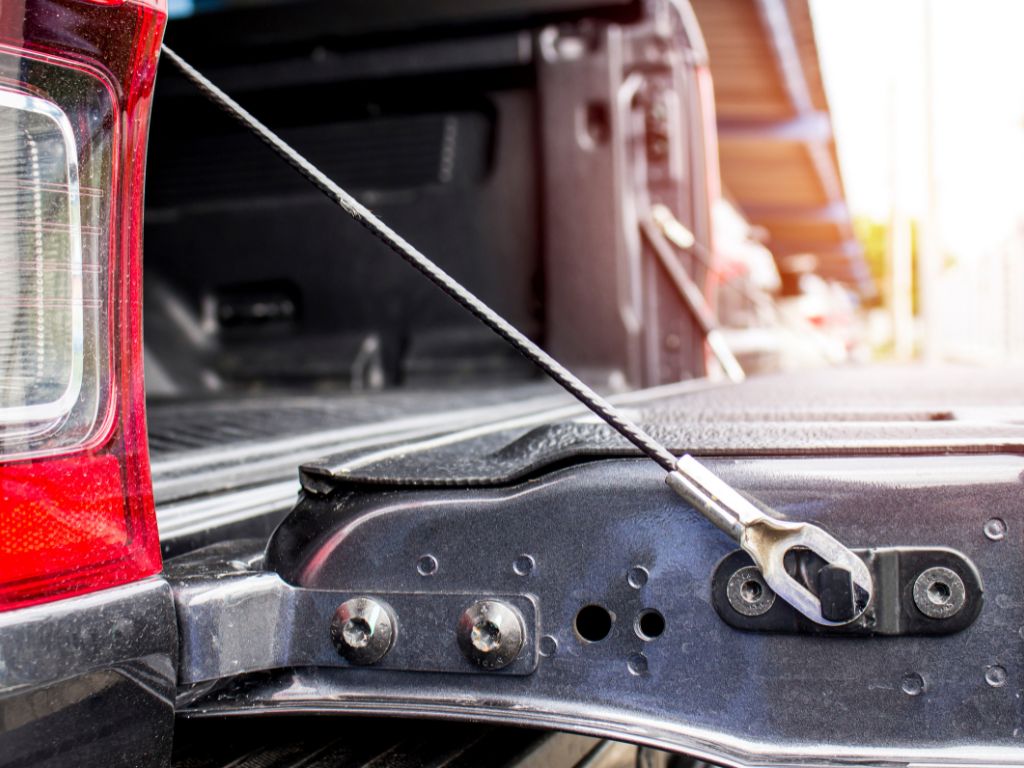
Hinges, cables, latches, and handles deserve periodic attention as well. A protective upgrade works best when combined with basic inspection. Catching loose or worn hardware early is far cheaper than dealing with a failed component after it causes additional damage.
Small Investments Can Protect a Much Larger Asset
A work truck is a major business investment, and its value extends beyond its purchase price. When it is unavailable because of repairs, jobs may be delayed, employees may lose productive time, and another vehicle may need to be rented or reassigned.
That is why the small truck upgrades that can prevent expensive repairs is ultimately a question of prevention. Bed protection, cargo management, interior covers, mud flaps, better lighting, and corrosion control may seem minor compared with major mechanical work, but they address the everyday wear that can gradually turn into larger problems.
The best upgrades are not necessarily the most expensive ones. They are the ones chosen around the way a truck actually works. By identifying vulnerable areas early and protecting them before damage accumulates, owners can reduce avoidable repairs while keeping their vehicles ready for the demanding jobs they were purchased to handle.