How To Improve Diesel Truck Towing Performance – Autos Community
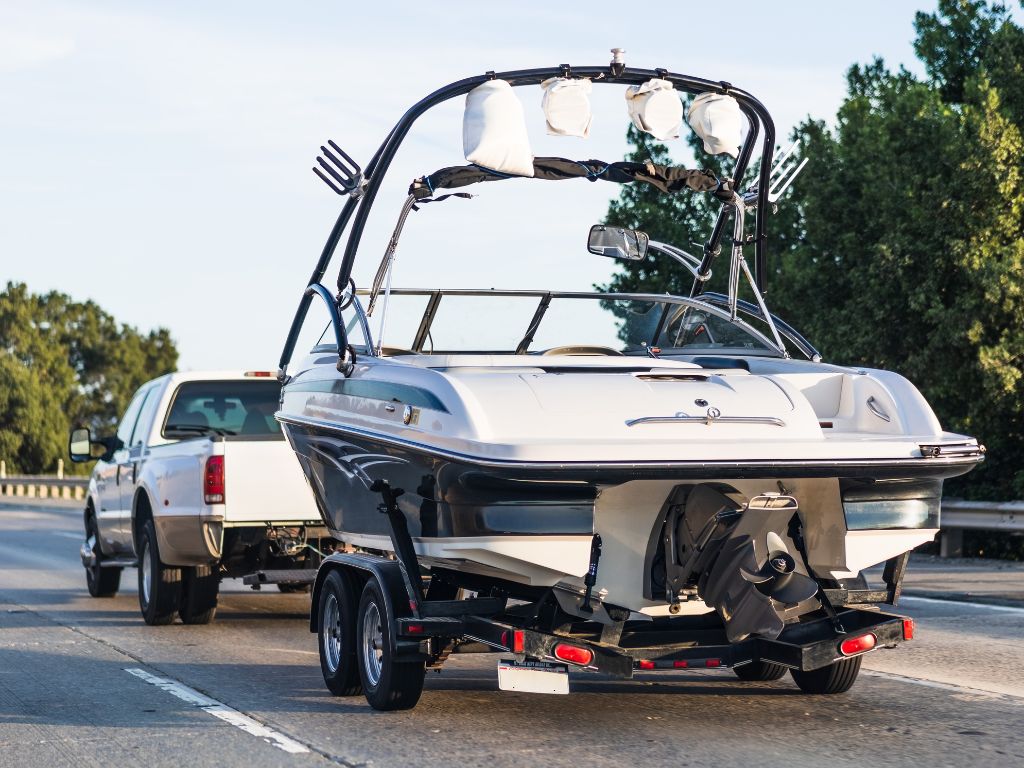
Discover how routine maintenance, cooling, load control, tires, gearing, and driving habits can improve diesel truck towing performance on every haul.
A diesel truck can feel unstoppable until a steep grade, strong headwind, or poorly balanced trailer exposes every weak point. Better towing comes from combining power with cooling, traction, braking, and smart load control. Continue reading for ideas how to improve diesel truck towing performance.
Know Your Truck
Strong towing performance starts with a clear understanding of your truck’s limits. Check the owner’s manual, door-jamb label, and manufacturer specifications for weight, axle, payload, and trailer limits.
Many drivers focus only on the advertised tow rating, but payload often creates the first limit. Passengers, tools, cargo, hitch equipment, and tongue weight all reduce available payload, so calculate the full load before towing.
Match the Trailer
A diesel engine can produce impressive torque, but the truck still needs a properly matched trailer. Confirm the loaded trailer weight instead of relying on the manufacturer’s empty-weight figure.
Proper tongue weight keeps the trailer stable without overloading the rear axle. A scale reading beats a visual estimate and helps you adjust cargo placement before the trip.
Choose the Right Hitch
The hitch connects every towing improvement to the trailer, so choose one that fits the load and the truck. Use a receiver, ball mount, coupler, and hitch ball with ratings that exceed the trailer’s loaded weight.
A weight-distribution hitch can level the truck and improve steering control with a heavy trailer. Add sway control when trailer shape, crosswinds, or highway speed could make the load wander.
Improve Airflow
Diesel engines need steady airflow to create power under load. Inspect the air filter often after dusty trips or off-road driving.
A clogged filter makes the turbocharger and engine work harder. Replace a dirty filter with a high-quality option that supports airflow without allowing harmful debris into the intake.
You may consider a quality intake as part of a diesel truck performance upgrade, but choose carefully. Some systems add noise without useful towing gains, so focus on filtration, heat control, fit, and engine compatibility.
Support the Exhaust
A diesel engine also needs to move exhaust gases efficiently. Restrictions can increase exhaust gas temperatures and reduce performance during long climbs.
Inspect for crushed sections, leaks, damaged hangers, and soot around connections. Follow emissions laws and manufacturer requirements when you replace parts because improper changes can trigger warning lights, poor drivability, or costly repairs.
Control Heat
Heat limits towing performance more quickly than many drivers expect. The engine, transmission, turbocharger, differential, and cooling system all generate extra heat when the truck pulls a heavy trailer.
Clean debris from the radiator, intercooler, and air-conditioning condenser. Check coolant strength, hose condition, fan operation, and coolant level before a hard trip.
A clean cooling stack allows air to pass through each heat exchanger. Debris blocks that path and causes temperatures to climb faster on grades and during slow traffic.
Maintain the Transmission
The transmission carries torque to the wheels, and towing stresses its fluid and internal components. Follow the severe-service maintenance schedule if you tow often, drive in high heat, or climb steep grades.
Fresh fluid helps control heat and supports smooth shifts. Inspect for leaks, burnt odors, delayed engagement, slipping, harsh shifts, or sudden changes in shift timing.
Use tow-haul mode whenever the manufacturer recommends it. That setting adjusts shift points, reduces gear hunting, and often increases engine braking during descents.
Select Gears Early
Active gear selection can improve control. Choose a lower gear before the truck loses speed on a climb instead of pressing harder on the accelerator after the engine starts struggling.
Keep engine speed within a productive range where the turbocharger can respond, and the cooling system can manage heat. Avoid lugging the engine at low rpm under a heavy load because that habit can raise cylinder pressure and exhaust temperature.
Select a lower gear early on downhill sections, and use the exhaust brake if your truck has one. Let engine braking control speed before the service brakes overheat.
Check Tires and Pressure
Tires carry every pound of the truck, cargo, hitch load, and trailer influence. Use tires with the correct load rating, size, and construction for your towing demands.
Set pressure according to manufacturer guidance and the real axle load. Check pressure when the tires remain cold, and inspect tread, sidewalls, valve stems, and age before each major trip.
Check the trailer tires with the same care. A failed trailer tire can damage wiring, plumbing, body panels, and wheel wells.
Support the Rear
Heavy tongue weight can cause rear sag, reduced steering response, poor headlight aim, and uneven tire loading. First, confirm that the truck stays within its payload and axle ratings.
Air springs, helper springs, or upgraded shocks can improve ride control when the load already fits within those limits. These parts don’t increase the manufacturer’s ratings, and they can’t correct an overloaded truck.
Protect the Fuel System
Diesel fuel quality affects power, injector life, and reliability. Buy fuel from busy stations, drain the water separator on schedule, and replace fuel filters regularly.
A restricted filter can reduce fuel flow when the engine demands maximum power. The problem may appear only during acceleration or climbing, which makes regular filter service especially important for towing.
Use additives only when the manufacturer allows them and the operating conditions justify them. Cold-weather or storage additives can help in specific situations, but random products create risk.
Tune With Restraint
A reputable calibration can improve throttle response, shift behavior, and torque delivery, but aggressive tuning can raise heat and drivetrain stress. Towing requires dependable power across long periods, not a short burst on a test run.
Choose a towing calibration that matches your engine, transmission, axle ratio, and tire size. Monitor exhaust gas temperature, transmission temperature, boost, and coolant temperature under heavy load.
Avoid settings that create excessive smoke or abrupt torque. Smooth power protects traction and helps the transmission apply torque without harsh shock.
Reduce Extra Weight
Extra weight forces the engine to work harder on every hill and during every acceleration. Remove unused tools, cargo, accessories, and equipment before towing.
Pack the trailer with the same discipline. Carry what the trip requires, distribute the load correctly, and secure every item so cargo can’t shift during braking or cornering.
Drive for Momentum
Good driving technique often improves towing performance more than any other part. Look far ahead, build speed gradually, and preserve momentum before a grade begins.
Leave extra space so you can brake smoothly and avoid sudden lane changes. Crosswinds, passing trucks, and rough pavement can move a trailer quickly, so use steady inputs.
Fuel economy also improves when you hold a moderate speed. Aerodynamic drag rises sharply at highway speeds, and large trailers force the engine to push a wide wall of air.
Inspect Before Every Trip
A careful walkaround catches small problems before they interrupt the drive. Check hitch pins, safety chains, breakaway cables, electrical connections, lights, tires, mirrors, fluid levels, and visible leaks.
Test the trailer brakes at low speed after you connect the trailer. Adjust the brake controller so the trailer helps slow the combination without locking its wheels or pushing the truck.
Build Reliable Towing Power
Better diesel towing performance comes from a balanced setup, not one dramatic modification. Proper loading, cooling, maintenance, tires, gearing, braking, and driving habits work together to create stronger acceleration and steadier control.
Start with the truck’s limits, correct maintenance problems, and upgrade only the systems that support your real towing needs. That approach gives you dependable performance on steep grades and long trips while protecting the truck for the miles ahead.’